Venous Treatments
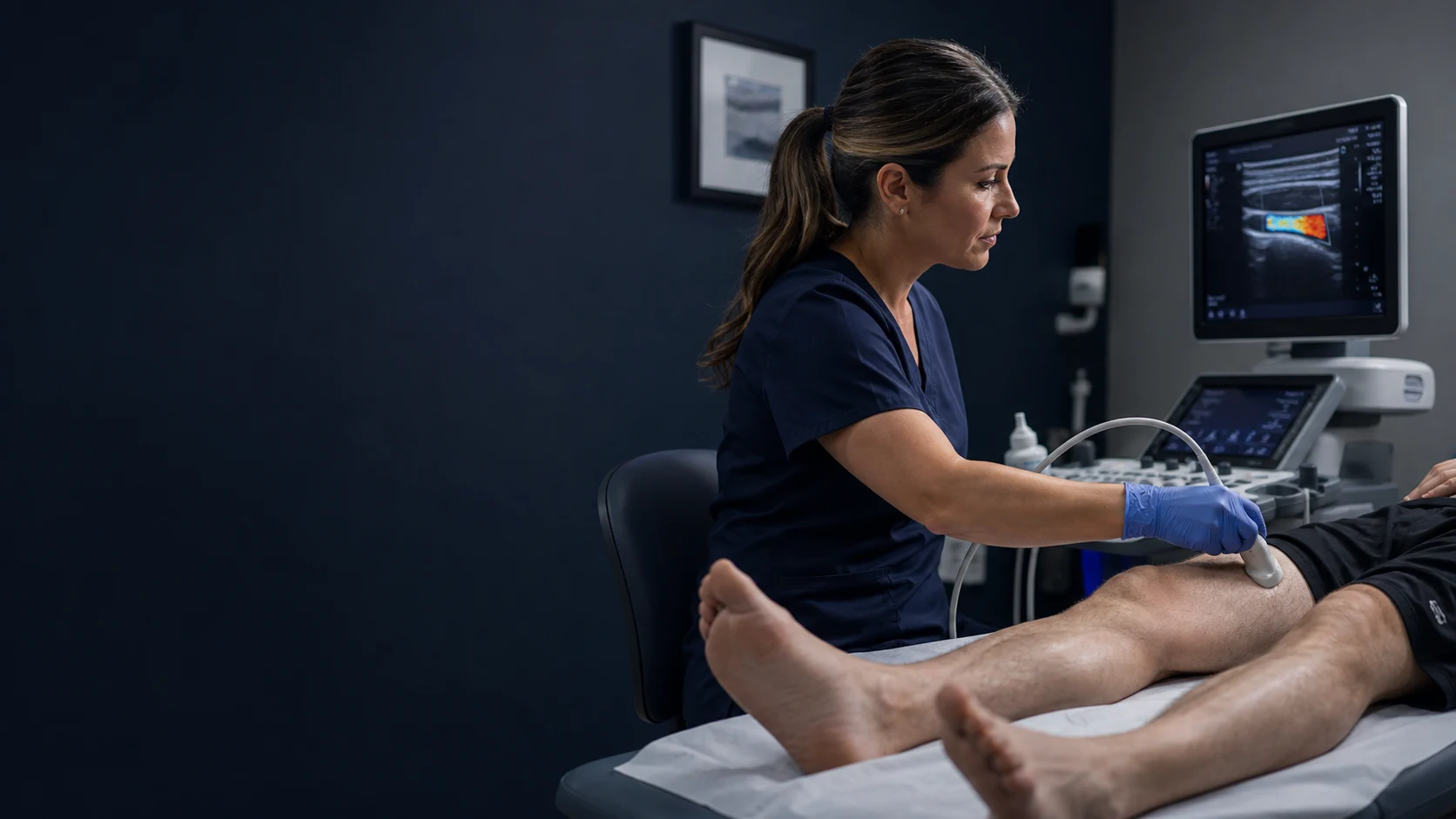
Vein closure, sclerotherapy, deep vein stenting, pelvic and varicocele embolization, and dialysis access procedures.


VIS care navigation
VIS Careers
Review medications, arrange transportation when required, follow eating and drinking instructions, and bring questions to the team.
GET IN TOUCH
Treatments & Procedures
Find a Treatment
Type the name of a treatment or the condition you were told about. The directory below updates as you type.
Showing all 0 treatments.
Explore Treatments by Category
Not sure of the name? Start with the area of care.
Vein closure, sclerotherapy, deep vein stenting, pelvic and varicocele embolization, and dialysis access procedures.
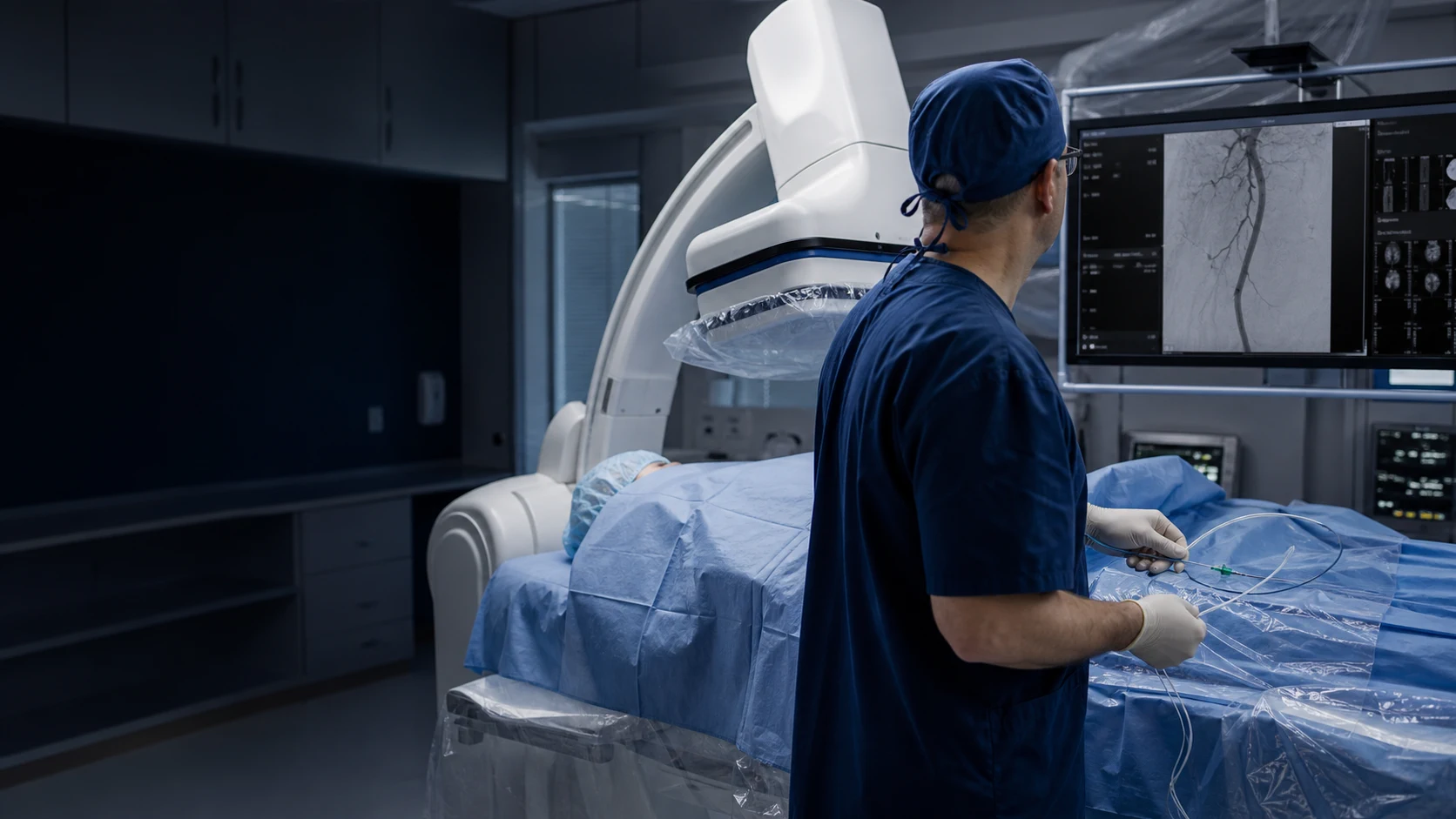
Procedures that open narrowed arteries in the legs and intestines, repair aortic aneurysms and treat carotid artery disease.

Embolization for knee osteoarthritis, frozen shoulder and heel conditions, plus kyphoplasty for spinal compression fractures.
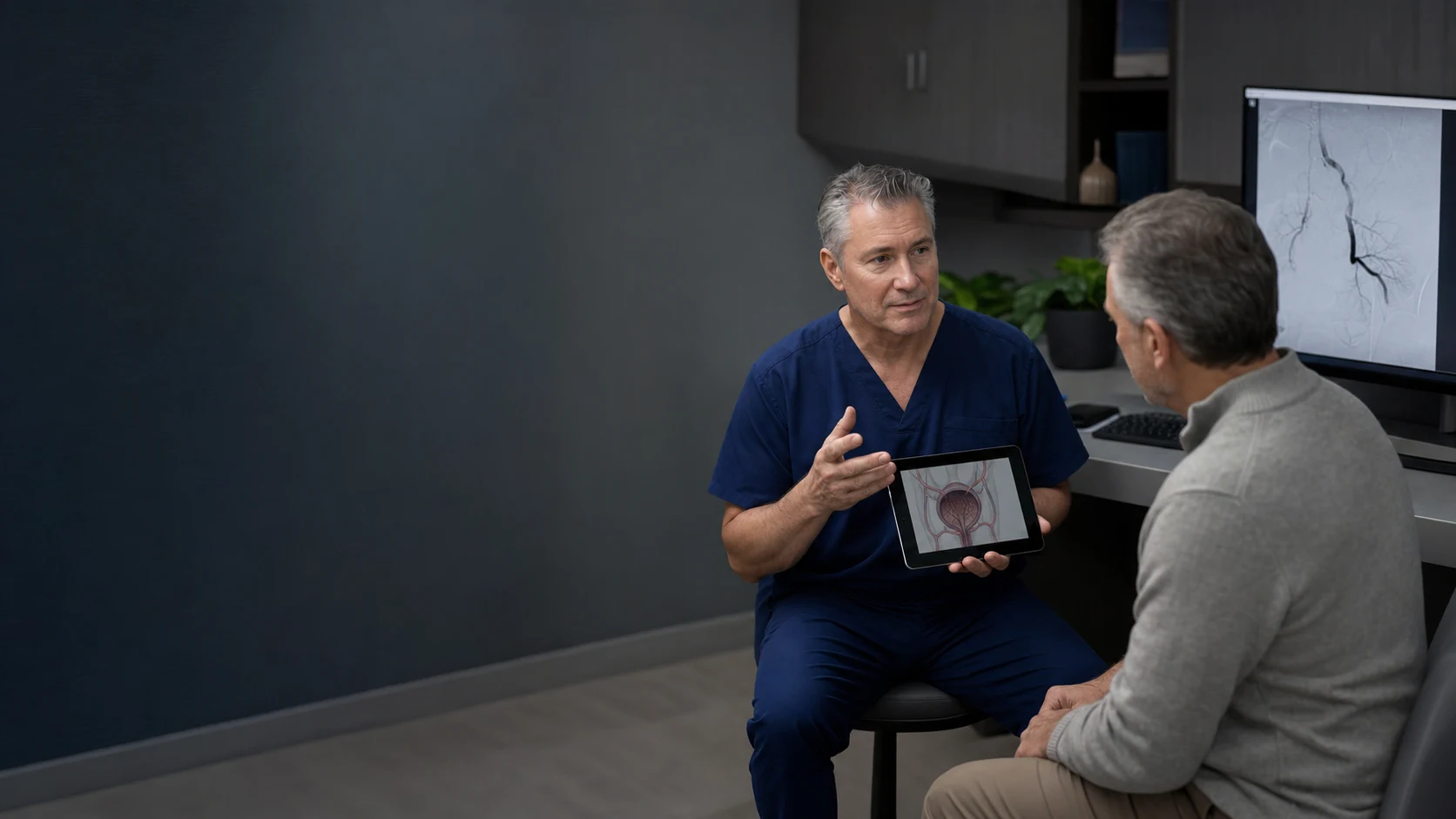
Prostate artery embolization for enlarged prostate symptoms, and varicocele embolization.

Uterine fibroid embolization and pelvic vein embolization.
Two procedures appear in more than one category.
All Treatments & Procedures
Each card shows what the treatment is, the conditions it is used for and what it is designed to do. Select Learn More for the full description.
Showing all 30 treatments.
An image-guided procedure that reduces blood flow to an inflamed Achilles tendon.
An image-guided procedure that reduces blood flow to the inflamed lining of a frozen shoulder.
A balloon, and often a stent, used to open a narrowed or blocked artery in the leg.
A catheter procedure that removes plaque from inside a narrowed artery.
A catheter-based way to create a dialysis fistula without open surgery.
Surgery that connects an artery to a vein to create long-term access for hemodialysis.
A stent placed in a carotid artery to restore blood flow to the brain.
Surgery that clears plaque from a carotid artery in the neck.
Placement of a catheter in a large vein for temporary dialysis access.
A laser treatment that closes a varicose vein from the inside, guided by ultrasound.
A stent graft placed inside the aorta to reinforce a weakened section.
An imaging procedure that checks a dialysis access for narrowing or blockage.
An image-guided treatment that reduces abnormal blood flow linked to knee osteoarthritis pain.
A catheter procedure that closes off pelvic veins that are not draining properly.
An image-guided procedure that reduces blood flow to chronic hemorrhoids.
A procedure that stabilizes a spinal compression fracture with bone cement.
A stent placed to open a narrowed artery that supplies blood to the intestines.
Removal of visible surface varicose veins through tiny incisions.
Surgery that replaces a damaged section of the aorta with a synthetic graft.
Placement of a catheter in the abdomen for peritoneal dialysis at home.
An image-guided procedure that reduces abnormal blood flow to an inflamed plantar fascia.
A minimally invasive treatment that reduces blood flow to an enlarged prostate to help relieve urinary symptoms.
A catheter treatment that uses controlled heat to close a vein that is not working properly.
An injection treatment that closes spider veins and smaller varicose veins.
A minimally invasive carotid stent procedure in which blood flow is temporarily redirected.
Clot-dissolving medication delivered through a catheter directly to a blocked artery.
A uterus-sparing, image-guided procedure that treats fibroids by reducing their blood supply.
A catheter procedure that blocks blood flow in the enlarged veins of a varicocele.
A medical adhesive delivered inside a diseased vein to close it.
A balloon and, when needed, a stent used to open a narrowed or compressed deep vein.
This directory lists procedures VIS physicians perform. Not every procedure is offered at every location, and not every option is right for every patient. A specialist confirms what applies to you.
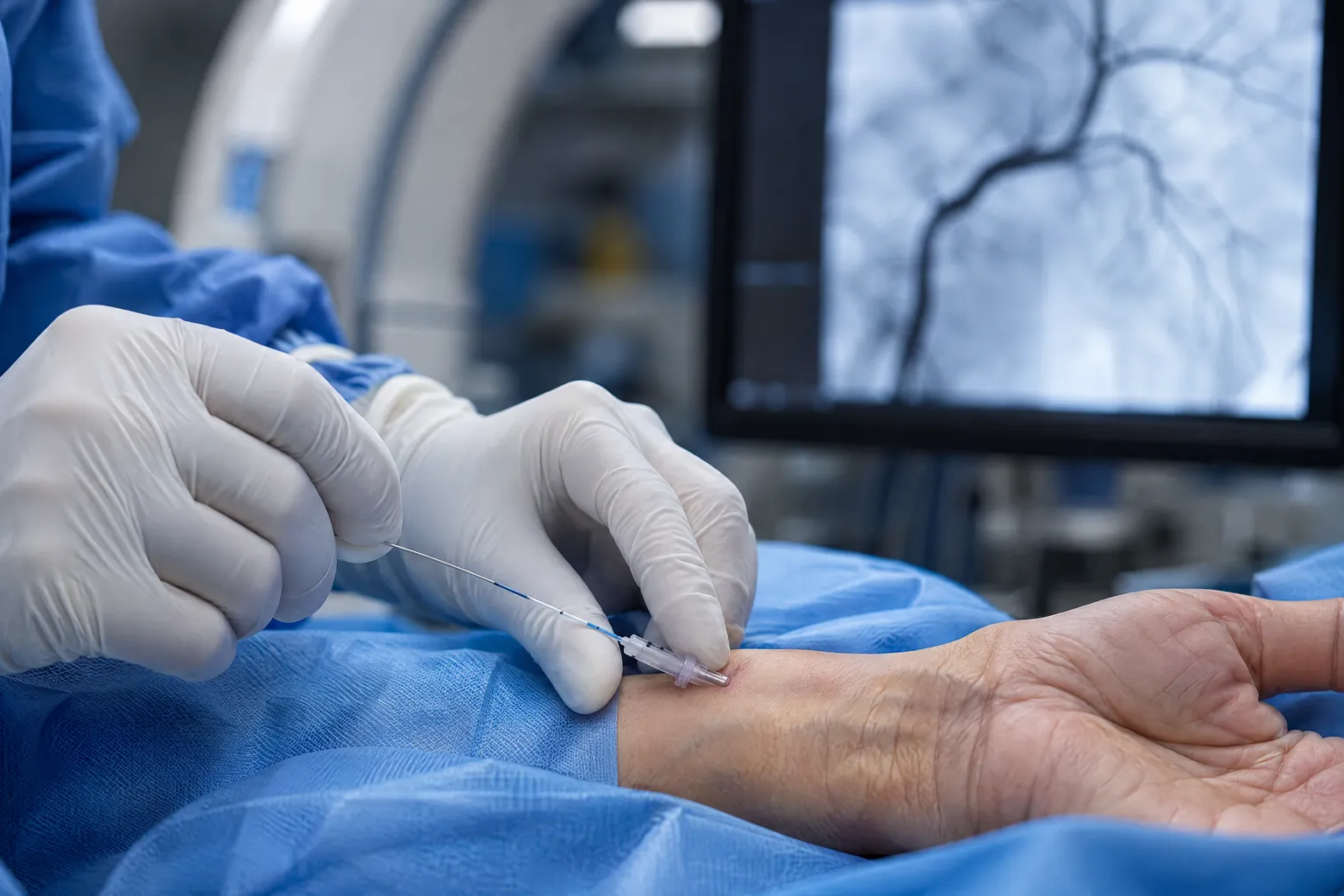
Understanding Minimally Invasive Procedures
It describes how a procedure is done: through a small puncture or a tiny incision, guided by imaging, rather than through a large open incision. Many VIS treatments work this way. Some, such as open repair of an aortic aneurysm, are traditional surgery, and their descriptions say so.
These points describe the approach, not promises about your individual recovery.
Conditions and Treatments
Start from your diagnosis. Each condition below lists the VIS treatments a specialist may discuss with you.
These are possible clinical connections. They do not confirm that a treatment is available at every location or that it is right for you. A specialist confirms what applies to your situation.
What to Expect From Your Procedure
The details depend on your procedure. Your care team gives you specific instructions for each stage.
Review your medications with your care team, arrange a ride home and follow the eating and drinking instructions you are given.
Your care team reviews the plan with you, confirms your consent and monitors you throughout the procedure.
You rest and are monitored before you go home, then follow the activity and wound-care instructions your team gives you.
A nurse calls to check on your recovery, and your follow-up visits confirm how you are healing.
Your care team calls you before your procedure with instructions on fasting and medications. Arrange for someone to drive you home, wear comfortable clothing, and bring your insurance card, a photo ID and an updated list of your medications, including supplements.
Many are catheter-based or image-guided and performed through a small access point. Some conditions call for traditional surgery, such as open repair of an aortic aneurysm. Whether a minimally invasive approach applies to you depends on your anatomy, your history and your imaging.
Recovery depends on the procedure and the individual. Many procedures are performed in an outpatient setting when appropriate, and the setting is confirmed in advance. Your care team provides specific activity, wound-care and follow-up instructions, and those instructions take priority over general guidance.
VIS works with many insurance plans. Because networks change, our team confirms your specific plan and verifies your benefits before your visit. Your insurer makes the final coverage decision.
Referral requirements vary by insurance plan and by the type of service. Many patients can be seen without one, but it is worth confirming with your insurer before scheduling. Our team can help you check what your plan requires.
No. Some sites are clinic and procedure centers, while others provide vascular specialty care and evaluation. Availability varies by location, and our team will confirm where a specific procedure is performed when you schedule.

Talk With a Specialist
A name on a list only goes so far. A specialist can look at your imaging and tell you which of these treatments, if any, fits your situation.