

175K Procedures Done · 75+ Years of Combined Experience · Board-Certified Vascular & Interventional Specialists · 7 States

What We Treat · Arterial Disease

Arterial Disease Care for Leg Pain, Poor Circulation and Blocked Arteries

Understanding Arterial Disease

What Is Arterial Disease?

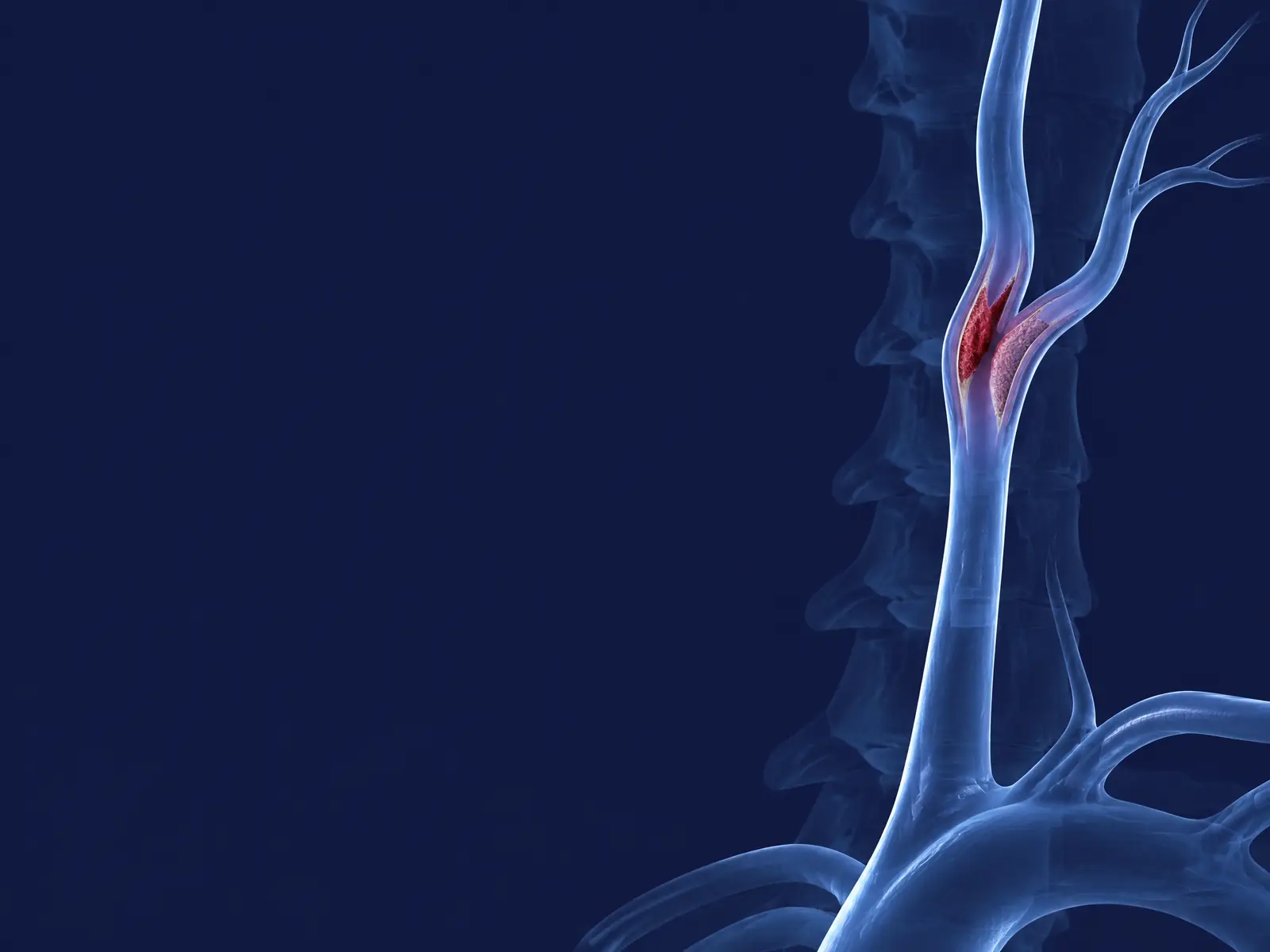
Arterial disease is a group of conditions that narrow, weaken or interrupt the flow of blood through your arteries.

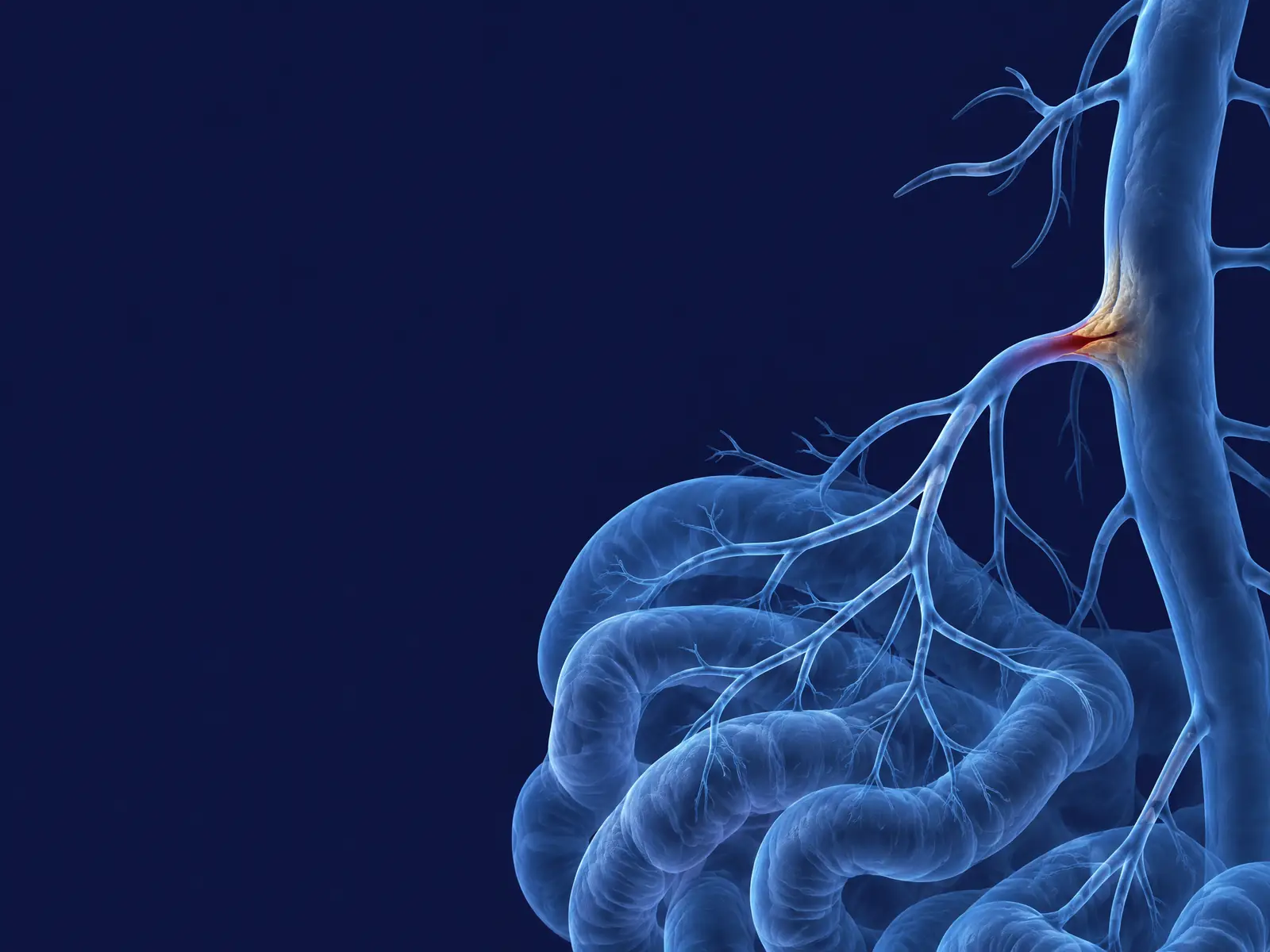
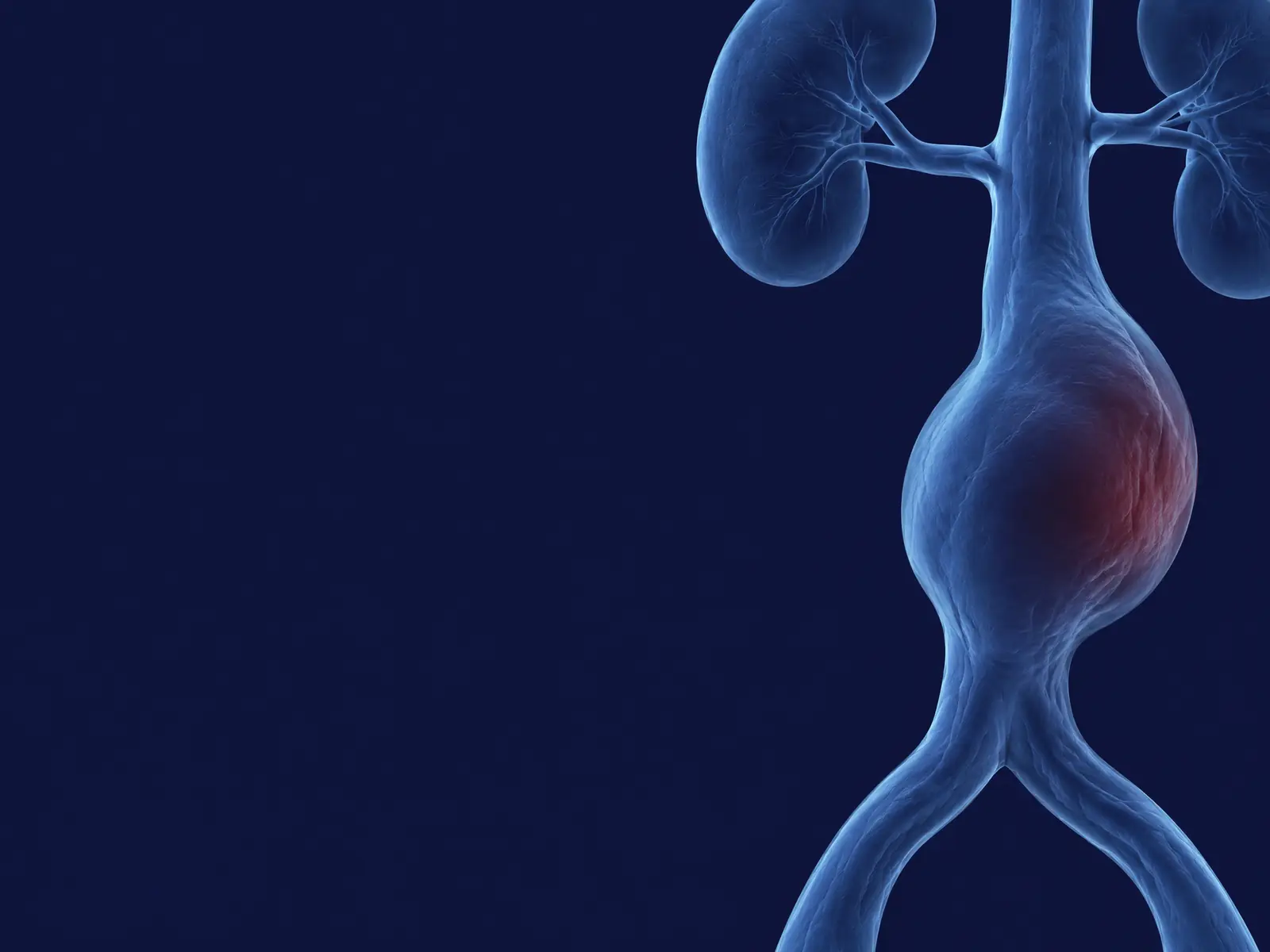
  • How Arteries Carry Blood Arteries carry oxygen-rich blood from your heart to the rest of your body. The largest is the aorta, and other arteries supply the brain, the intestines, the kidneys and the legs.
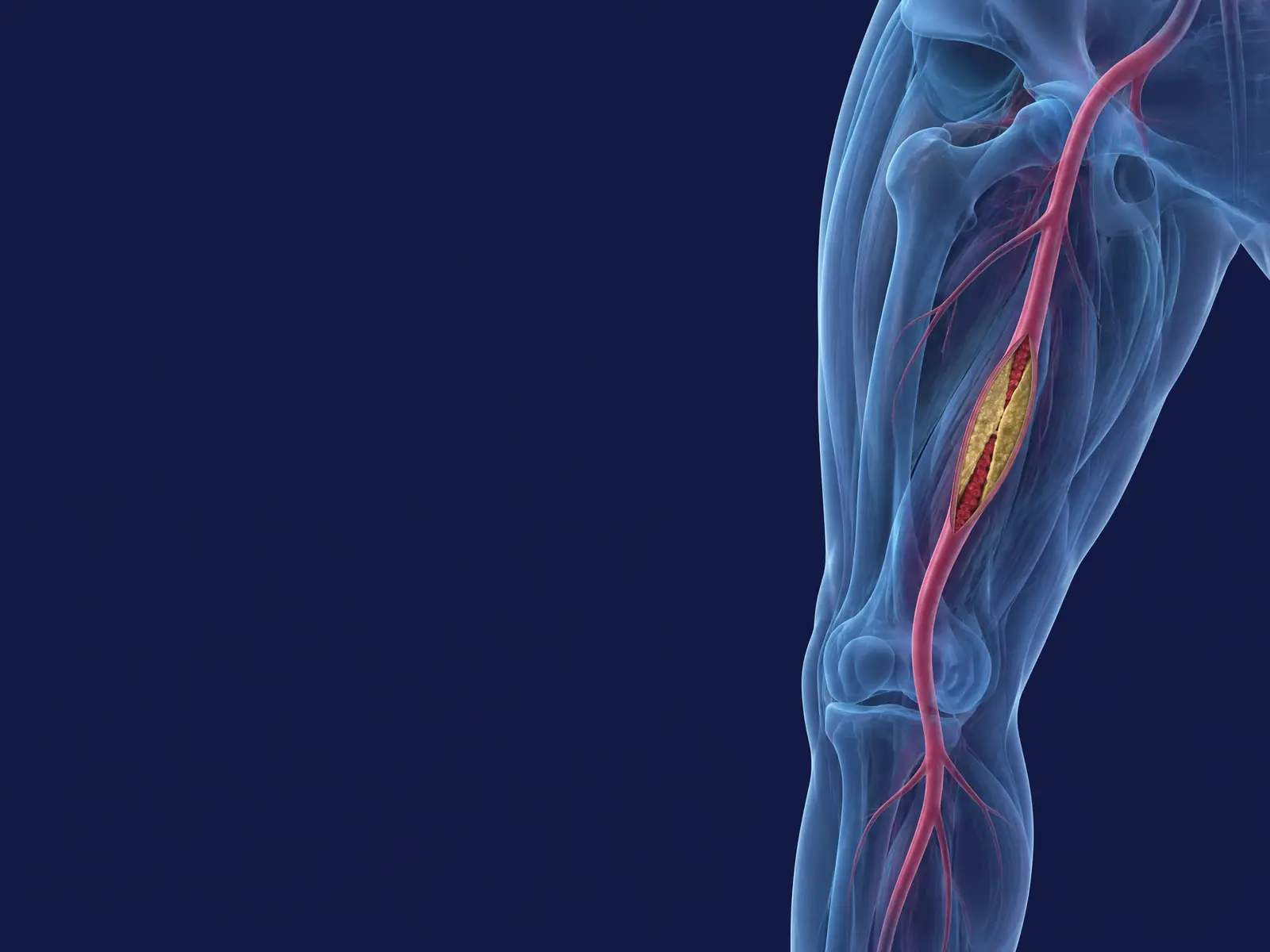
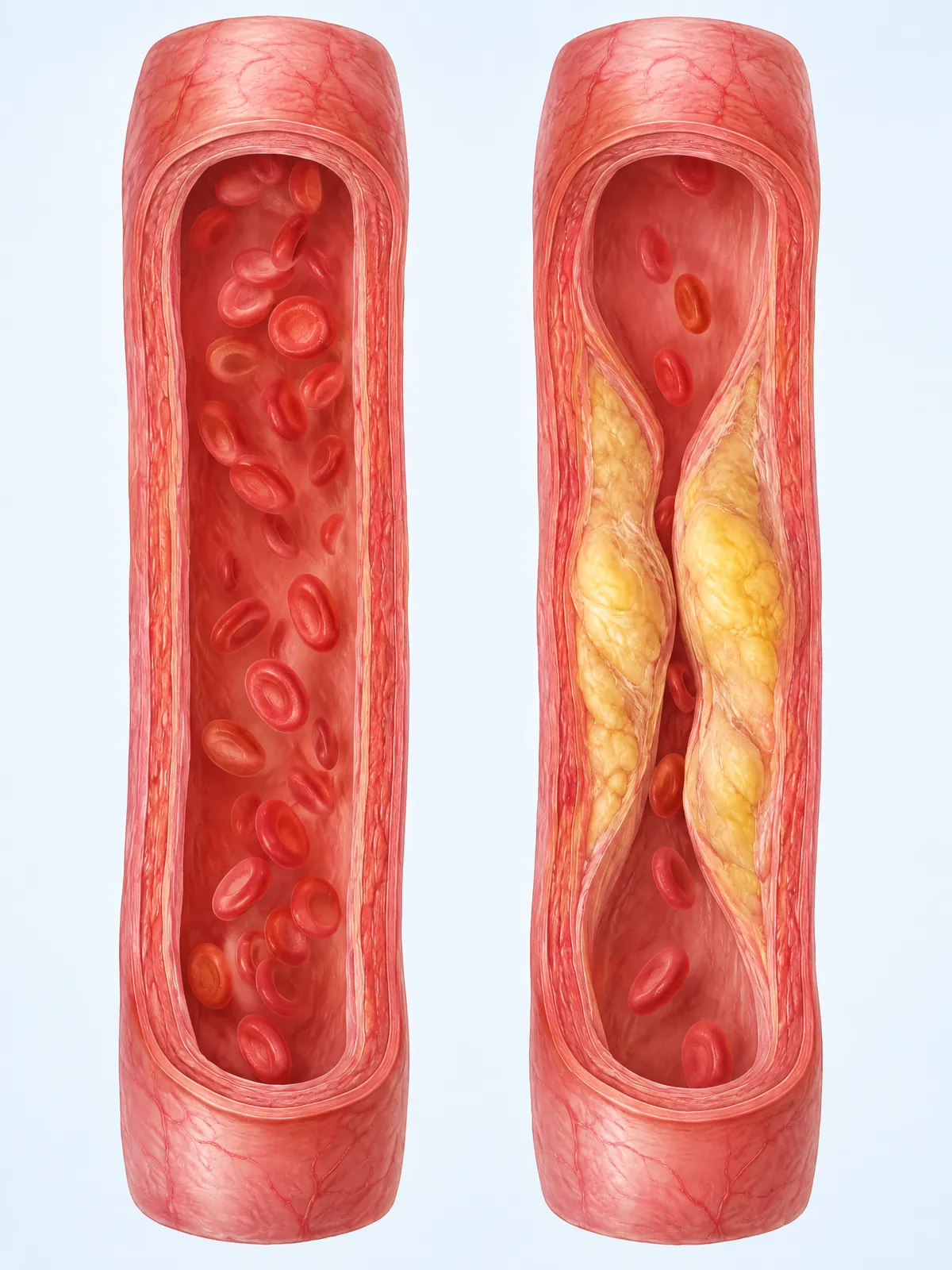
  • What Happens When Arteries Become Narrowed or Blocked Fatty deposits called plaque can build up inside an artery and narrow it. Less blood gets through, which can cause pain, numbness and, in severe cases, tissue damage.
  • How Arterial Conditions Affect Circulation Early on, the only sign may be discomfort that appears when you walk and goes away when you rest. Because arteries elsewhere in the body are often affected too, an evaluation usually looks beyond the legs.
  • The Importance of Timely Evaluation Early detection matters. Testing typically begins with non-invasive studies such as an ankle-brachial index and an ultrasound.
Plaque narrows the artery and limits blood flow Plaque narrows the artery and limits blood flow

Signs and Symptoms

Signs of Arterial Circulation Problems

Patients with reduced blood flow to the legs and feet often describe these signs. Select one to see what it may be related to.

A symptom is a starting point, not a diagnosis. Call 911 for sudden swelling, warmth or redness in a leg.

Arterial Conditions We Treat

Arterial Conditions We Specialize In

Select a condition to see the signs patients describe and how VIS may evaluate and treat it. A specialist confirms what applies to you.

Not every condition is treated at every VIS location. Our team will confirm where you can be seen when you schedule.

Diagnosis and Evaluation

Understanding Your Circulation

An arterial evaluation typically begins with non-invasive tests. Your specialist orders more detailed imaging only if it is needed.

  1. Specialist Consultation

    You meet with a board-certified vascular surgeon or interventional radiologist who reviews your history, including blood pressure, cholesterol, blood sugar and smoking.

  2. Symptom Assessment

    Tell us how far you can walk before the pain starts, whether rest relieves it and whether you have noticed any change in skin color or temperature.

  3. Circulation Testing

    An ankle-brachial index (ABI) compares the blood pressure at your ankles with the pressure in your arms to show how well blood reaches your legs.

  4. Diagnostic Imaging

    Ultrasound can check the arteries in your neck, abdomen or legs. When more detail is needed, your specialist may order a CT scan, an MRI or an angiogram.

  5. Individualized Treatment Planning

    Your plan may combine risk-factor management, monitoring and a procedure when appropriate. Your specialist explains each option before you decide.

Screening and evaluation availability varies by location. VIS can help determine where to begin.

Arterial Treatment Options

Advanced Treatments for Arterial Disease

VIS offers catheter-based procedures and open surgery for arterial disease. Your specialist recommends a procedure only when your evaluation calls for one.

Angioplasty and Stenting
Arterial Treatment Options

Angioplasty and Stenting

A balloon, and often a stent, used to open a narrowed or blocked artery in the leg.

What It Addresses

Narrowed or blocked arteries in the legs and feet caused by peripheral arterial disease.

How It Works

A small balloon is inflated inside the narrowed artery to widen it. A stent (a small wire mesh tube) may be placed to help keep the artery open.

Conditions Treated

Availability varies by location. Our team will confirm where this procedure is offered when you schedule.

All treatments carry potential risks and benefits. Your physician will discuss what's appropriate for your specific situation during consultation.

Explore Arterial Treatments

Why Choose VIS for Arterial Care?

Specialized Care for Complex Arterial Conditions

Specialized Physicians

Board-certified vascular surgeons and interventional radiologists evaluate and treat arterial disease across the VIS network.

Advanced Diagnostic Technology

Ankle-brachial index testing, carotid and aortic ultrasound, and angiography help show where blood flow is reduced.

Minimally Invasive Expertise

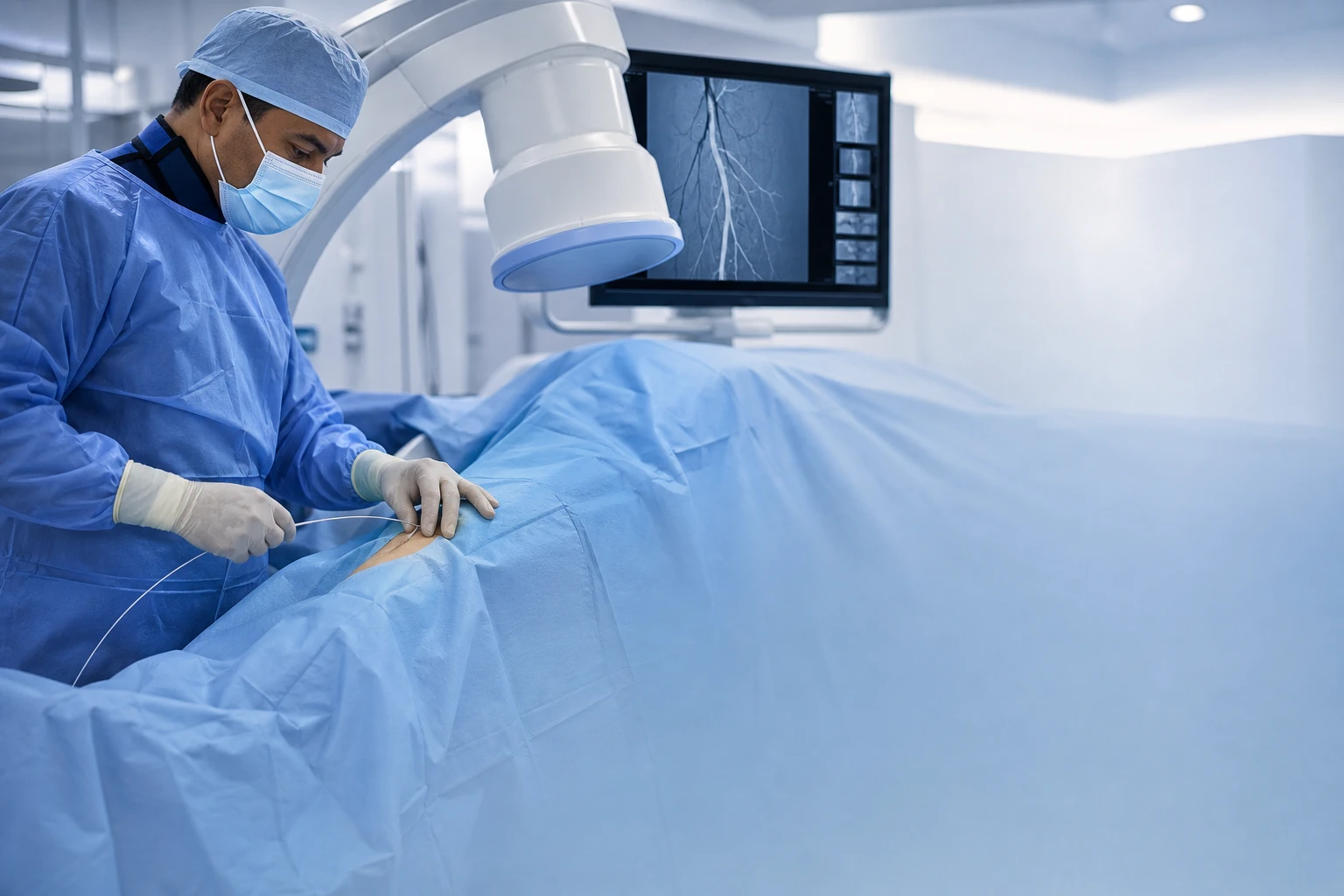
Many arterial treatments at VIS are catheter-based and image-guided, performed through a small access point when appropriate.

Individualized Treatment

Some patients need monitoring, some a catheter-based procedure and some open surgery. Your plan is built on what your evaluation shows.

Coordinated Care

VIS specialists share planning with your primary care physician, cardiologist or nephrologist, so you stay with the doctors you already know.

Find an Arterial Disease Specialist

Find an Arterial Care Specialist

Every VIS physician evaluates arterial disease, but not every one treats every condition. Filter by condition and community to see who does.

Showing 13 specialists.

Chad Laurich, MD, Vascular Surgeon
Specialty: Vascular Surgeon

Chad Laurich, MD

Conditions Treated
  • Aortic Aneurysm
  • Chronic Venous Disease
  • Deep Vein Disease and Chronic DVT
  • Dialysis Access Management
  • Knee Osteoarthritis
  • +4 more conditions, listed in the profile

Locations: Dakota Dunes, SD · Siouxland · Kansas City Metro

Neal Khurana, MD, Interventional Radiologist
Specialty: Interventional Radiologist

Neal Khurana, MD

Conditions Treated
  • Varicose veins
  • Peripheral arterial disease (PAD)
  • Pelvic venous disease
  • Deep Vein Disease and Chronic DVT
  • Fibroids & Adenomyosis
  • +2 more conditions, listed in the profile

Locations: Dakota Dunes, SD · Siouxland · Chicagoland, IL

Richard D. Coats, MD, FACS, Vascular Surgeon
Specialty: Vascular Surgeon

Richard D. Coats, MD, FACS

Conditions Treated
  • Aortic Aneurysm
  • Aortic Disease
  • Carotid Artery Disease
  • Chronic Venous Disease
  • Deep Vein Disease and Chronic DVT
  • +5 more conditions, listed in the profile

Locations: Kansas City Metro

Austin Wagner, DO, Vascular Surgeon
Specialty: Vascular Surgeon

Austin Wagner, DO

Conditions Treated
  • Aortic Aneurysm
  • Aortic Disease
  • Carotid Artery Disease
  • Chronic Venous Disease
  • Deep Vein Disease and Chronic DVT
  • +4 more conditions, listed in the profile

Locations: Kansas City Metro

David Mantilla, MD, Vascular Surgeon
Specialty: Vascular Surgeon

David Mantilla, MD

Conditions Treated
  • Aortic Aneurysm
  • Carotid Artery Disease
  • Chronic Venous Disease
  • Deep Vein Disease and Chronic DVT
  • Knee Osteoarthritis
  • +5 more conditions, listed in the profile

Locations: Kansas City Metro

David L. Vogel, MD, Vascular Surgeon
Specialty: Vascular Surgeon

David L. Vogel, MD

Conditions Treated
  • Aortic Aneurysm
  • Carotid Artery Disease
  • Chronic Venous Disease
  • Deep Vein Disease and Chronic DVT
  • Dialysis Access Management
  • +3 more conditions, listed in the profile

Locations: Omaha, NE

Andrew Schroeder, DO, RPVI, Vascular Surgeon
Specialty: Vascular Surgeon

Andrew Schroeder, DO, RPVI

Conditions Treated
  • Aortic Aneurysm
  • Aortic Disease
  • Carotid Artery Disease
  • Chronic Venous Disease
  • Deep Vein Disease and Chronic DVT
  • +4 more conditions, listed in the profile

Locations: Omaha, NE

John M. Park, MD, MA, FACS, RPVI, Vascular Surgeon
Specialty: Vascular Surgeon

John M. Park, MD, MA, FACS, RPVI

Conditions Treated
  • Aortic Aneurysm
  • Aortic Disease
  • Carotid Artery Disease
  • Chronic Venous Disease
  • Dialysis Access Management
  • +5 more conditions, listed in the profile

Locations: Omaha, NE

Gregory Gordon, MD, Interventional Radiologist
Specialty: Interventional Radiologist

Gregory Gordon, MD

Conditions Treated
  • Aortic Aneurysm
  • Chronic Venous Disease
  • Deep Vein Disease and Chronic DVT
  • Dialysis Access Management
  • Knee Osteoarthritis
  • +2 more conditions, listed in the profile

Locations: Omaha, NE

Feraz N. Rahman, MD, MS, Interventional Radiologist
Specialty: Interventional Radiologist

Feraz N. Rahman, MD, MS

Conditions Treated
  • Achilles Tendinopathy
  • Frozen Shoulder
  • Knee Osteoarthritis
  • Peripheral Arterial Disease (PAD)
  • Plantar Fasciitis
  • +3 more conditions, listed in the profile

Locations: Chicagoland, IL

Todd Reil, MD, Vascular Surgeon
Specialty: Vascular Surgeon

Todd Reil, MD

Conditions Treated
  • Chronic Venous Disease
  • Deep Vein Disease and Chronic DVT
  • Dialysis Access Management
  • Peripheral Arterial Disease (PAD)
  • Varicose Veins
  • +8 more conditions, listed in the profile

Locations: Fargo, ND

Joe Marion, MD, Interventional Radiologist
Specialty: Interventional Radiologist

Joe Marion, MD

Conditions Treated
  • Frozen Shoulder
  • Knee Osteoarthritis
  • Pelvic Venous Disease
  • Plantar Fasciitis
  • Prostate Enlargement
  • +14 more conditions, listed in the profile

Locations: Fargo, ND

Garrett Tibbets, DO, MS, VASCULAR SURGEON
Specialty: VASCULAR SURGEON

Garrett Tibbets, DO, MS

Conditions Treated
  • Peripheral Arterial Disease (PAD)
  • Carotid Artery Disease
  • Aortic Aneurysm
  • Varicose Veins

Locations: Kansas City

Arterial Care Locations

Find Arterial Care Near You

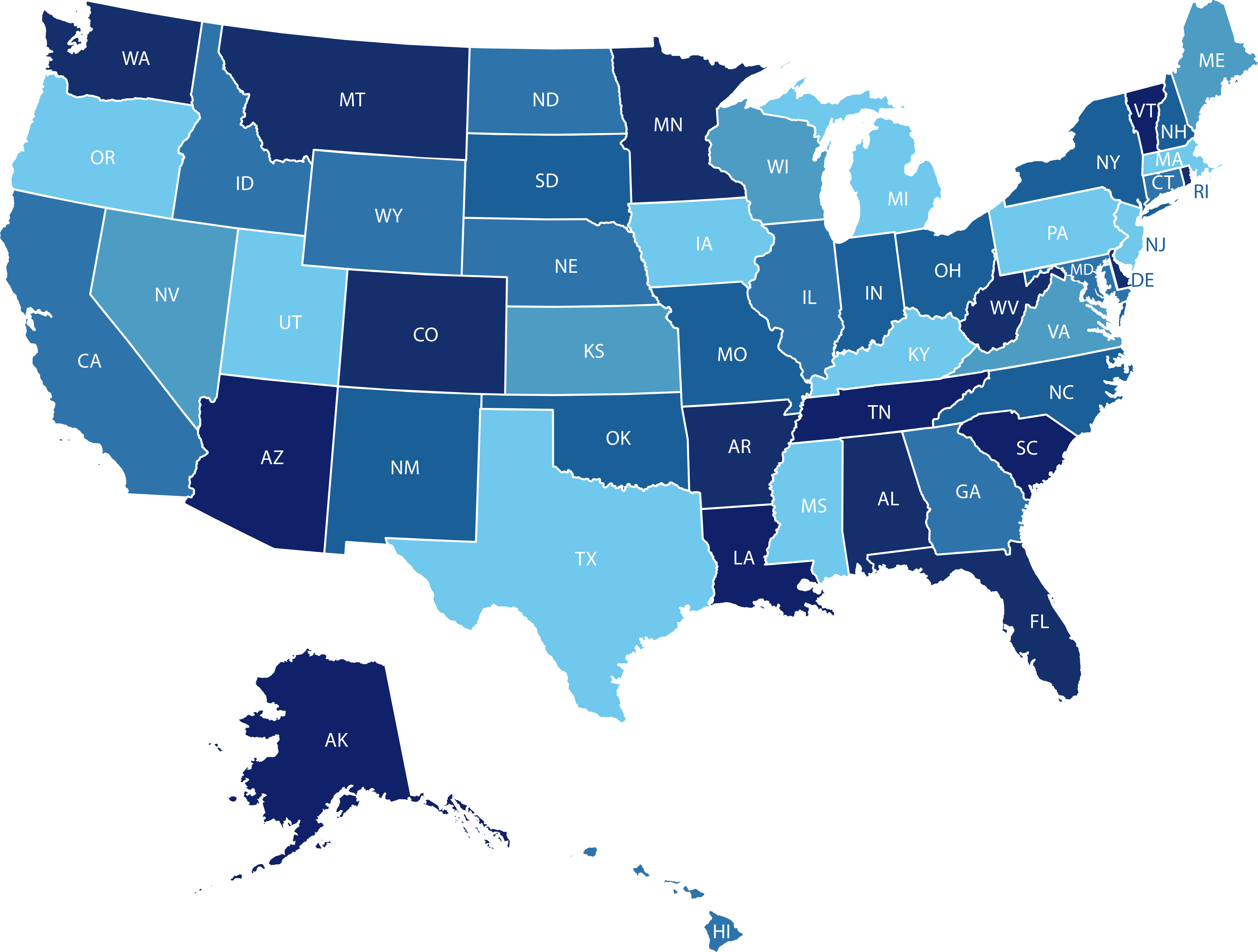
Arterial care is available in all five VIS communities. The conditions treated differ by community, so we confirm the right clinic for you when you schedule.

Select a location
Map of the United States showing VIS clinic locations
CLINIC & PROCEDURES

Omaha, NE

Clinic

NE
17404 Burke St., Suite 102
Omaha, NE 68118
Specialists at this location
Procedures Center

Omaha, NE

Procedure Center

NE
17410 Burke St., Suite 105
Omaha, NE 68118
Specialists at this location
10 VIS clinic locations

Omaha, NE

  • Aortic Aneurysm
  • Aortic Disease
  • Carotid Artery Disease
  • Peripheral Arterial Disease (PAD)
View Location

Dakota Dunes, SD · Siouxland

  • Aortic Aneurysm
  • Peripheral Arterial Disease (PAD)
View Location

Kansas City Metro

  • Aortic Aneurysm
  • Aortic Disease
  • Carotid Artery Disease
  • Mesenteric Ischemia
  • Peripheral Arterial Disease (PAD)
View Location

Fargo, ND

  • Peripheral Arterial Disease (PAD)
  • Mesenteric Ischemia
  • Aortic Aneurysm
  • Carotid Artery Disease
  • Aortic Disease
  • Liver Disease
  • Thoracic Outlet Syndrome
  • Angioplasty
  • Kidney Disease & Dialysis Access
View Location

Our North Kansas City office is clinic only. Procedures are performed at our Lee's Summit and Olathe locations.

Frequently Asked Questions

PAD, Aneurysms and Circulation: Common Questions

View All FAQs
What is peripheral arterial disease (PAD)?

PAD is a condition in which the arteries that supply blood to your legs and feet become narrowed or blocked by a buildup of fatty deposits called plaque. Less blood reaches your limbs, which can cause pain, numbness and, in severe cases, tissue damage.

What are the most common symptoms of PAD?

Common symptoms include painful cramping in the legs when you walk, leg numbness or weakness, coldness in the lower leg or foot, sores on the toes, feet or legs that will not heal, and a change in the color of the legs. Some people also notice hair loss on the feet and legs or slower toenail growth.

Who is at risk for PAD?

Risk factors include smoking, diabetes, high blood pressure, high cholesterol, age over 50, obesity, and a family history of PAD, heart disease or stroke.

How does VIS treat PAD?

Treatment starts with an evaluation and with managing risk factors alongside your primary care team. When a procedure is appropriate, options include angioplasty and stenting, where a small balloon widens the narrowed artery and a stent may be placed to keep it open; atherectomy, where a specialized catheter removes plaque from inside the artery; and thrombolysis, where medication is delivered through a catheter to dissolve a clot.

How is an aortic aneurysm found, and when does it need repair?

Aneurysms are typically found with ultrasound, a CT scan or an MRI, often during imaging done for another reason. Some are monitored over time with imaging. Repair is recommended when an aneurysm is large, growing quickly or at risk of rupture. Sudden, severe abdominal or back pain is an emergency: call 911.

Is arterial treatment covered by insurance?

VIS works with many insurance plans, and coverage depends on your plan and on the procedure. Our team verifies your benefits before your visit and can flag whether prior authorization is likely. Your insurer makes the final coverage decision.

Get Specialized Care for Your Circulation

Arterial Care at VIS

Get Specialized Care for Your Circulation

If walking has become harder or a sore is not healing, an evaluation is the place to start. Schedule with a VIS specialist near you.

Or call (605) 217-5617 Call 911 for a medical emergency.
(605) 217-5617