


175K Procedures Done · 75+ Years of Combined Experience · Board-Certified Vascular & Interventional Specialists · 7 States

Women's Health

Care for Fibroids, Adenomyosis and Pelvic Venous Disease

Understanding Women's Health

Care Designed Around Your Health

Heavy periods and pelvic pain often get treated as something to put up with. If they are shaping your days, you have options to understand, and the choice among them is yours to make with your doctors.

  • Women's Health Conditions Treated by VIS Uterine fibroids are benign growths in the uterus. Adenomyosis happens when the uterine lining grows into the muscle of the uterus. Pelvic venous disease, formerly called pelvic congestion syndrome, involves veins in the pelvis that do not drain properly.
  • How Symptoms Can Affect Daily Life Fibroids can cause heavy periods, bleeding between periods and pelvic pressure. Pelvic venous disease can cause an ache or heaviness that gets worse after standing.
  • When Specialized Evaluation May Help Many fibroids cause no symptoms and need no treatment. When bleeding or pressure starts to interfere with your life, an evaluation can show what is behind it.
  • Available Interventional Care Approaches VIS offers two image-guided embolization procedures: uterine fibroid embolization for fibroids and pelvic vein embolization for pelvic venous disease. Both are performed through a small access point.
Your goals shape the plan Your goals shape the plan

Signs and Symptoms

Symptoms You Shouldn't Have to Ignore

If one of these sounds familiar, it is worth asking about. Each card shows what the symptom may be related to.

A symptom is a starting point, not a diagnosis. Call 911 for a medical emergency.

Women's Health Conditions We Treat

Conditions We Specialize In

Two conditions that can cause similar symptoms. An evaluation sorts out which one applies to you.

Fibroids & Adenomyosis

Benign growths in the uterine wall, or thickening of that wall, that can cause heavy bleeding and pelvic pressure.

Common Symptoms

  • Heavy or prolonged menstrual bleeding
  • Pelvic pressure or fullness
  • Pain during periods
  • Fatigue related to blood loss

Treatment Options

  • Pelvic ultrasound and MRI review
  • Uterine fibroid embolization when appropriate
  • Shared planning with your gynecologist
Pelvic Venous Disease

Also called Pelvic Venous Disorder, an umbrella term that includes Pelvic Congestion Syndrome and May-Thurner Syndrome. Congestion in the pelvic veins can cause chronic pelvic pain distinct from uterine causes.

Common Symptoms

  • Pelvic ache that builds through the day
  • Discomfort with prolonged standing
  • Visible veins around the pelvis or thigh

Treatment Options

  • Pelvic ultrasound and venography
  • Ovarian or pelvic vein embolization when appropriate
  • Evaluation for coexisting uterine conditions

Women's Health Treatment Options

Advanced, Minimally Invasive Treatment Options

Both procedures below are forms of embolization. A physician guides a thin catheter through a small access point and closes off the blood supply that feeds the problem: the arteries to a fibroid, or pelvic veins that no longer drain properly. Candidates are evaluated individually.

Uterine Fibroid Embolization (UFE)
Women's Health Treatment Options

Uterine Fibroid Embolization (UFE)

A uterus-sparing, image-guided procedure that treats fibroids by reducing their blood supply.

What It Addresses

Symptoms caused by uterine fibroids, such as heavy menstrual bleeding and pelvic pressure.

How It Works

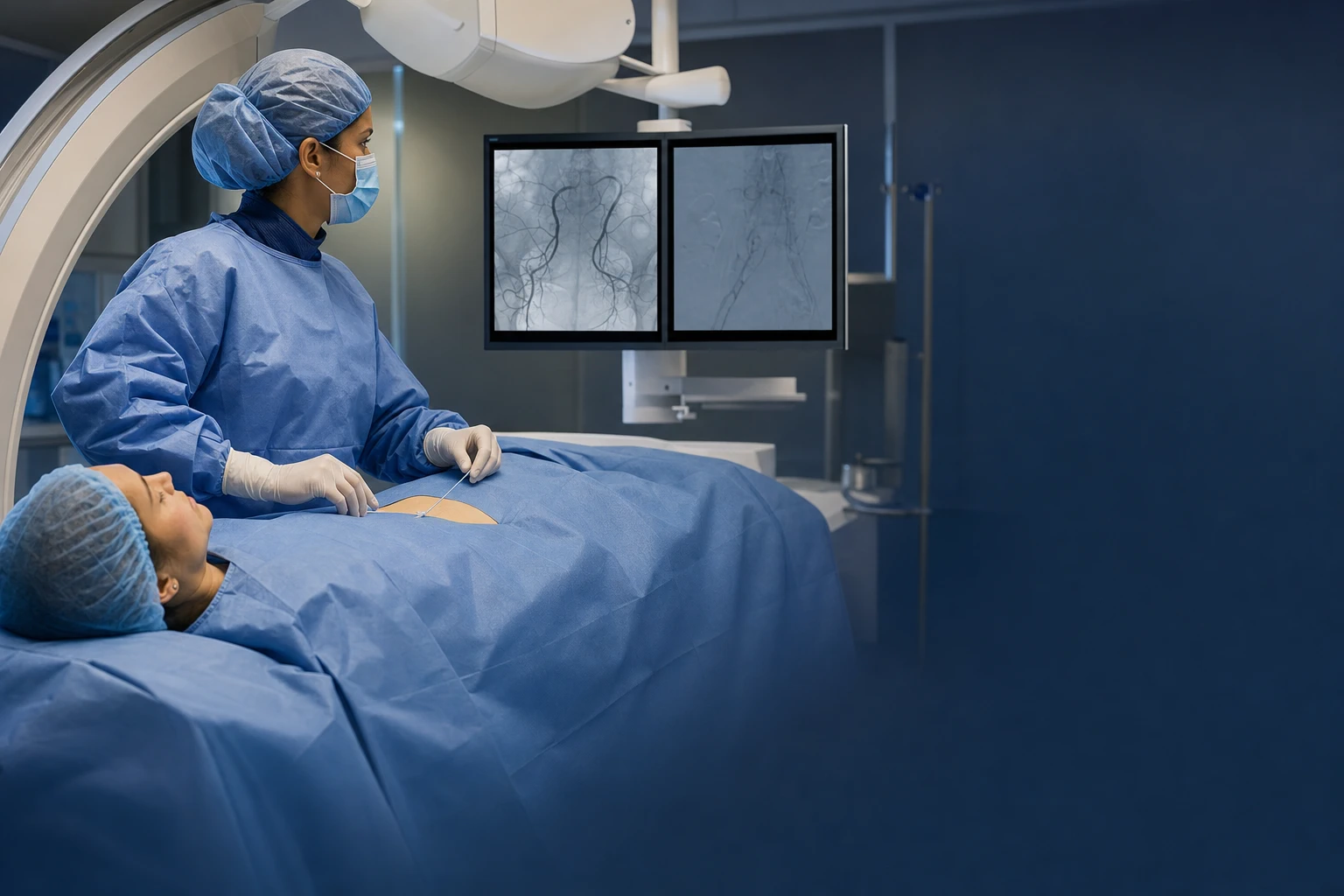
Through a small access point in the wrist or groin, a thin catheter delivers tiny particles to the arteries that feed the fibroids. This reduces their blood supply without removing the uterus.

Conditions Treated

Outcomes vary by patient. Reproductive goals are discussed individually with your doctor.

Explore Treatments & Procedures

Understanding Your Treatment Options

Care Based on Your Individual Needs

Fibroids and pelvic pain can be treated in more than one way. A good decision takes these five things into account.

  • Medical Evaluation

    Ultrasound is usually the first step, sometimes followed by MRI to map the size, number and position of the fibroids.

  • Understanding Treatment Alternatives

    You should hear every reasonable option, including medication, surgery and waiting, and where embolization fits among them.

  • Discussion of Recovery Expectations

    Recovery depends on the procedure and on you. Your care team explains what to expect at home before you decide, including that some patients stay overnight after UFE.

  • Individual Health Goals

    Your plans matter, including any plans for a future pregnancy. Reproductive goals are discussed individually with your doctor.

  • Shared Decision-Making

    The decision is made with you, and the conversation usually includes your gynecologist.

What to Expect

Your Care Journey

Your care team tells you what comes next at each step.

  1. Consultation

    Tell us about your cycle, your symptoms and the treatments you have already tried or been offered.

  2. Medical Evaluation

    A specialist reviews your history and your pelvic ultrasound or MRI.

  3. Treatment Discussion

    You and your specialist weigh the options against your goals, with time for your questions.

  4. Procedure When Appropriate

    If you choose embolization, it is done through a small access point, with sedation rather than general anesthesia.

  5. Recovery & Follow-Up

    You go home with written instructions, a nurse calls to check on you, and follow-up visits look at how your symptoms are responding.

Why Choose VIS for Women's Health?

Specialized Care Focused on You

Specialized Physicians

Board-certified vascular surgeons and interventional radiologists evaluate and treat fibroids and pelvic venous disease at VIS.

Advanced Technology

Ultrasound and MRI show what is causing your symptoms, and live X-ray imaging guides the catheter during treatment.

Minimally Invasive Expertise

Embolization is performed through a small access point, and UFE treats fibroids without removing the uterus.

Personalized Care

Your recommendation is built from your symptoms, your imaging and your plans for the future.

Compassionate Support

Our staff answers your questions before and after treatment, and a nurse calls to check on you once you are home.

Find a Women's Health Specialist

Find a Women's Health Specialist

These VIS physicians treat fibroids, pelvic venous disease or both. Each card lists the conditions that specialist treats and the communities where they see patients.

Showing 6 specialists.

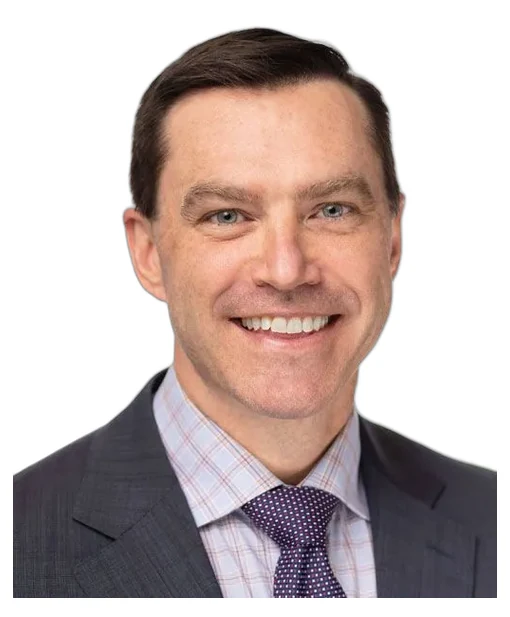
Chad Laurich, MD, Vascular Surgeon
Specialty: Vascular Surgeon

Chad Laurich, MD

Conditions Treated
  • Aortic Aneurysm
  • Chronic Venous Disease
  • Deep Vein Disease and Chronic DVT
  • Dialysis Access Management
  • Knee Osteoarthritis
  • +4 more conditions, listed in the profile

Locations: Dakota Dunes, SD · Siouxland · Kansas City Metro

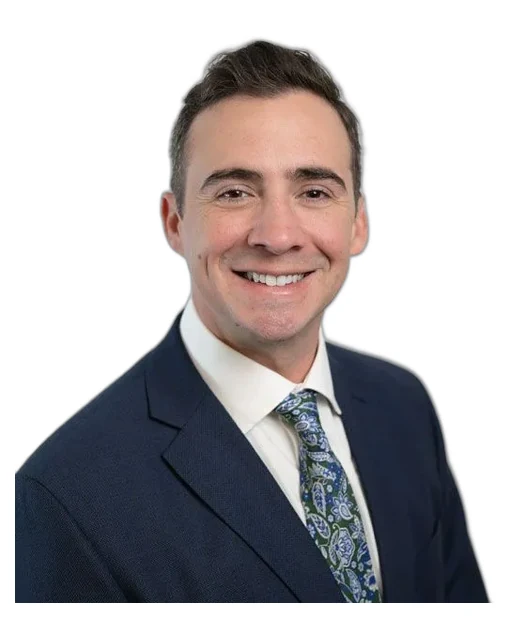
Neal Khurana, MD, Interventional Radiologist
Specialty: Interventional Radiologist

Neal Khurana, MD

Conditions Treated
  • Varicose veins
  • Peripheral arterial disease (PAD)
  • Pelvic venous disease
  • Deep Vein Disease and Chronic DVT
  • Fibroids & Adenomyosis
  • +2 more conditions, listed in the profile

Locations: Dakota Dunes, SD · Siouxland · Chicagoland, IL

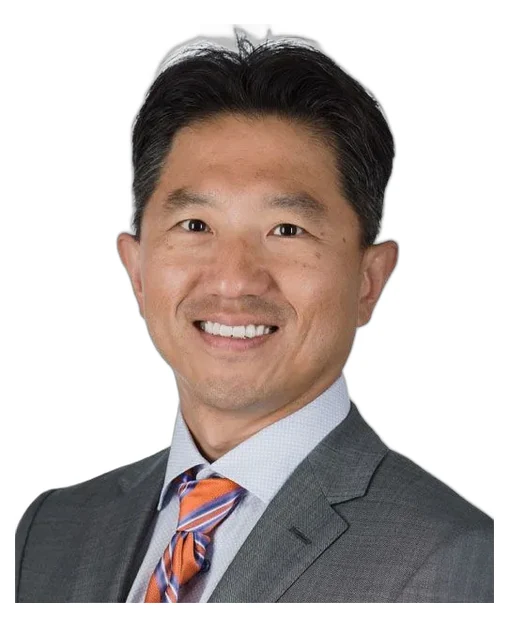
David Mantilla, MD, Vascular Surgeon
Specialty: Vascular Surgeon

David Mantilla, MD

Conditions Treated
  • Aortic Aneurysm
  • Carotid Artery Disease
  • Chronic Venous Disease
  • Deep Vein Disease and Chronic DVT
  • Knee Osteoarthritis
  • +5 more conditions, listed in the profile

Locations: Kansas City Metro

John M. Park, MD, MA, FACS, RPVI, Vascular Surgeon
Specialty: Vascular Surgeon

John M. Park, MD, MA, FACS, RPVI

Conditions Treated
  • Aortic Aneurysm
  • Aortic Disease
  • Carotid Artery Disease
  • Chronic Venous Disease
  • Dialysis Access Management
  • +5 more conditions, listed in the profile

Locations: Omaha, NE

Feraz N. Rahman, MD, MS, Interventional Radiologist
Specialty: Interventional Radiologist

Feraz N. Rahman, MD, MS

Conditions Treated
  • Achilles Tendinopathy
  • Frozen Shoulder
  • Knee Osteoarthritis
  • Peripheral Arterial Disease (PAD)
  • Plantar Fasciitis
  • +3 more conditions, listed in the profile

Locations: Chicagoland, IL

Joe Marion, MD, Interventional Radiologist
Specialty: Interventional Radiologist

Joe Marion, MD

Conditions Treated
  • Frozen Shoulder
  • Knee Osteoarthritis
  • Pelvic Venous Disease
  • Plantar Fasciitis
  • Prostate Enlargement
  • +14 more conditions, listed in the profile

Locations: Fargo, ND

Find Women's Health Care Near You

Find Women's Health Care Near You

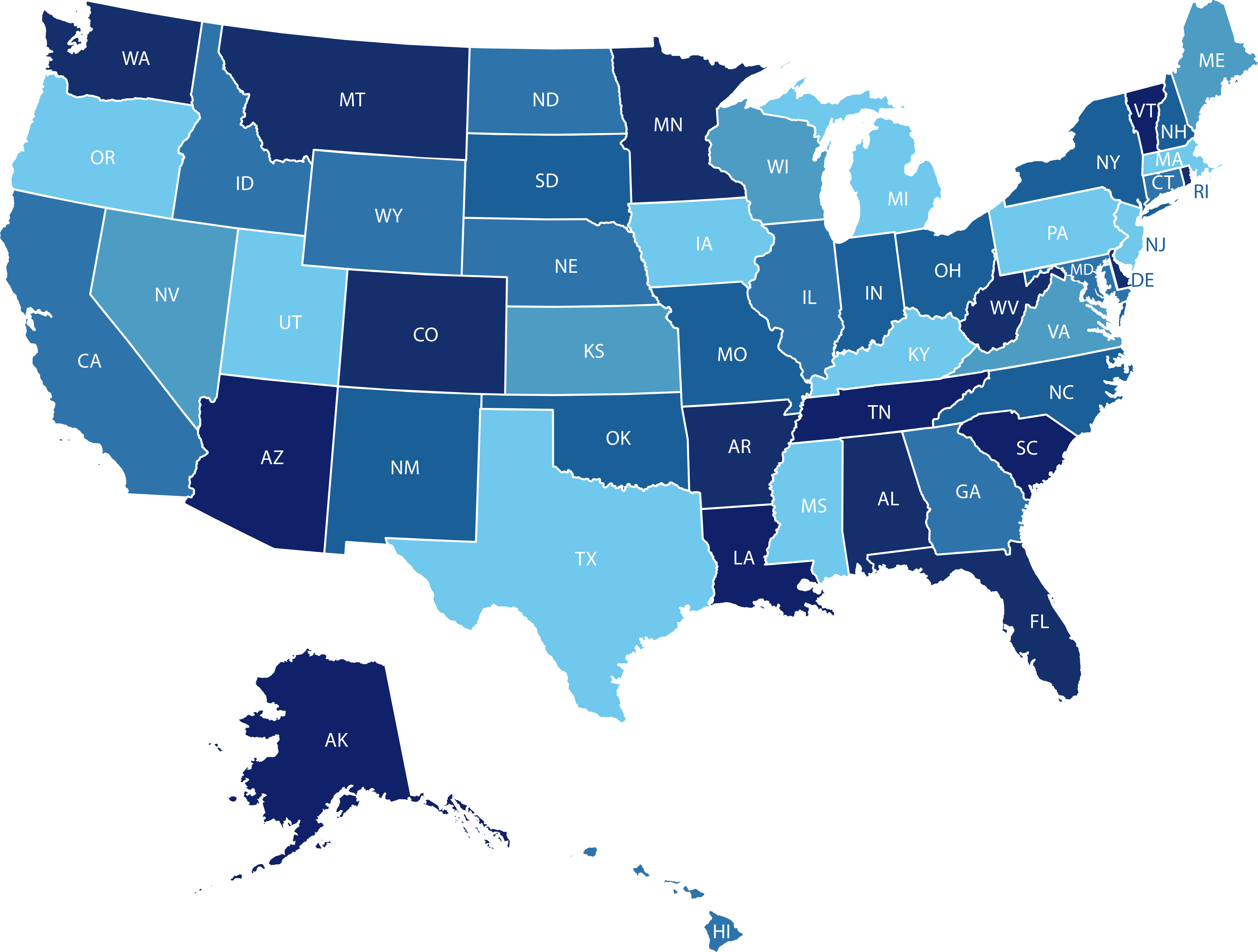
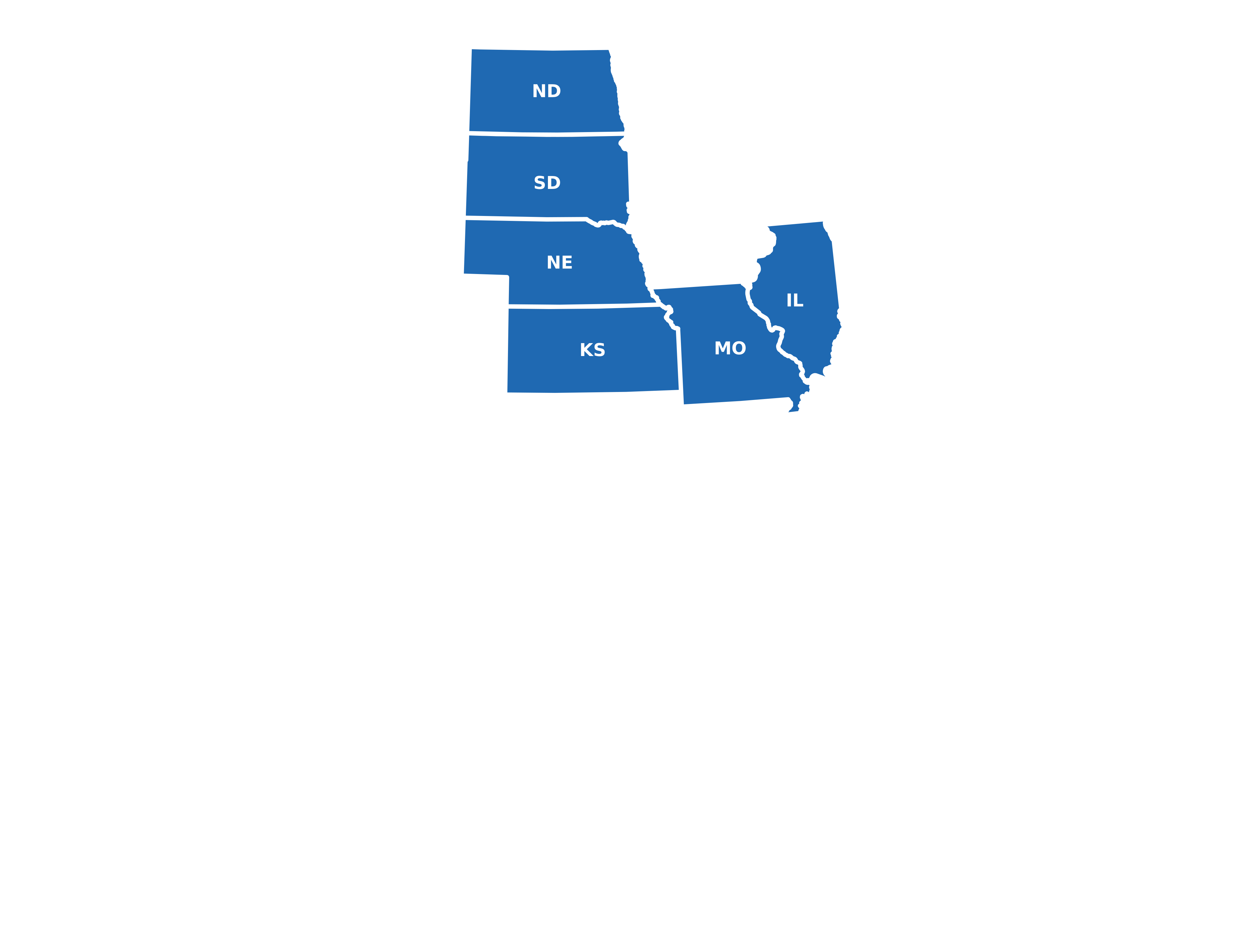
Uterine fibroid embolization is offered through VIS in Omaha, Kansas City, Fargo and Chicagoland. In the Kansas City area, procedures are performed at Lee's Summit. Our Dakota Dunes team also sees patients with fibroids and pelvic venous disease and will confirm where a procedure can be done.

Select a location
Map of the United States showing VIS clinic locations
CLINIC & PROCEDURES

Omaha, NE

Clinic

NE
17404 Burke St., Suite 102
Omaha, NE 68118
Specialists at this location
Procedures Center

Omaha, NE

Procedure Center

NE
17410 Burke St., Suite 105
Omaha, NE 68118
Specialists at this location
10 VIS clinic locations

Frequently Asked Questions

Questions Women Ask About Fibroid and Pelvic Care

View All FAQs
What is uterine fibroid embolization (UFE)?

UFE is a minimally invasive procedure that treats uterine fibroids by reducing blood flow to them. A thin catheter delivers tiny particles to the fibroid arteries through a small access point in the wrist or groin.

Will UFE preserve my uterus?

Yes. UFE treats fibroid symptoms while keeping the uterus in place.

Will UFE help with heavy bleeding?

UFE is used to treat heavy menstrual bleeding and other symptoms caused by fibroids. Whether it is right for you depends on your individual evaluation.

What if I want to become pregnant in the future?

Tell your specialist before any treatment is chosen. Reproductive goals are discussed individually with your doctor, and that conversation usually includes your OB/GYN.

What is pelvic venous disease, and how is it treated?

Pelvic venous disease, formerly called pelvic congestion syndrome, happens when veins in the pelvis do not drain properly. It can cause a chronic ache or heaviness that gets worse after standing. Pelvic vein embolization, also called gonadal vein embolization, closes off the affected veins so blood can reroute through healthy ones. It is a minimally invasive option for pain that has not responded to conservative care.

Is UFE covered by insurance?

We verify your benefits as part of your consultation. Coverage depends on your plan and on medical necessity, and your insurer makes the final decision.

Explore Your Options With a Specialist

Women's Health Care

Explore Your Options With a Specialist

Bring your questions and any ultrasound or MRI reports you have. The visit is your chance to hear every option and ask what each one would mean for you.

Or call (605) 217-5617 Call 911 for a medical emergency.
(605) 217-5617